
Springtime Sweets: Experiencing Sakura Afternoon Tea in Tokyo
When cherry blossom season arrives in Tokyo, the city transforms into a celebration of pink beauty. While many people enjoy traditional hanami picnics beneath blooming sakura trees, another seasonal ritual has become increasingly popular: sakura-themed afternoon tea.

One of the most visually spectacular places to experience it is Haute Couture in Nakameguro. Famous for its immersive seasonal décor and elaborately styled sweets, the cafe offers a pink, flower-filled world that feels like stepping inside spring itself.
But to truly appreciate what makes this experience special, it helps to understand how afternoon tea became such a phenomenon in Japan, and why cafes like Haute Couture have become must-visit destinations.
Afternoon Tea: A British Tradition with a Japanese Twist:
Afternoon tea originated in 19th-century Britain, when Anna, the Duchess of Bedford, began taking a light meal of tea, bread, and sweets in the late afternoon to bridge the long gap between lunch and dinner. Over time, this evolved into the elegant ritual we recognize today: tiered trays filled with sandwiches, pastries, and scones served with fine tea.

Japan adopted many Western customs during the Meiji era (1868–1912), including Western dining styles and tea culture. However, afternoon tea did not truly explode in popularity until much later.
By the late 20th and early 21st centuries, luxury hotels in Tokyo began offering British-style tea services as a refined social experience. Soon, restaurants and cafes began creating their own versions, often incorporating Japanese ingredients and seasonal aesthetics.

Today, afternoon tea in Japan is less about aristocratic tradition and more about an immersive seasonal experience, where presentation, atmosphere, and photography are just as important as flavor.
Why Afternoon Tea Is So Popular in Japan:
Several cultural factors helped afternoon tea flourish in Japan.
1. Japan’s Love of Seasonality
Seasonal changes are deeply embedded in Japanese culture. Just as menus shift for autumn chestnuts or winter strawberries, afternoon tea sets often revolve around themes such as:
Sakura in spring
Hydrangea in early summer
Muscat grapes or peaches in late summer
Halloween or Christmas in winter

At Haute Couture, both the menu and interior décor change with the seasons, creating a new concept several times a year.
2. The Instagram Effect
Modern Japanese cafes have elevated dessert presentation to an art form. Beautifully arranged tiers of pastel sweets, flowers cascading from the ceiling, and themed interiors make afternoon tea highly photogenic, perfect for social media!
Many tea experiences now feel like interactive installations, where every table is designed to be a photo spot.
3. A Social Event
Afternoon tea is often enjoyed as a special outing with friends, a birthday celebration, or a date. It’s less about a quick snack and more about slowing down for two hours of conversation, tea, and sweets.
Inside the Magical World of Haute Couture Cafe:
Located about six minutes from Nakameguro Station along the Meguro River, Haute Couture is a specialty cafe devoted entirely to afternoon tea.
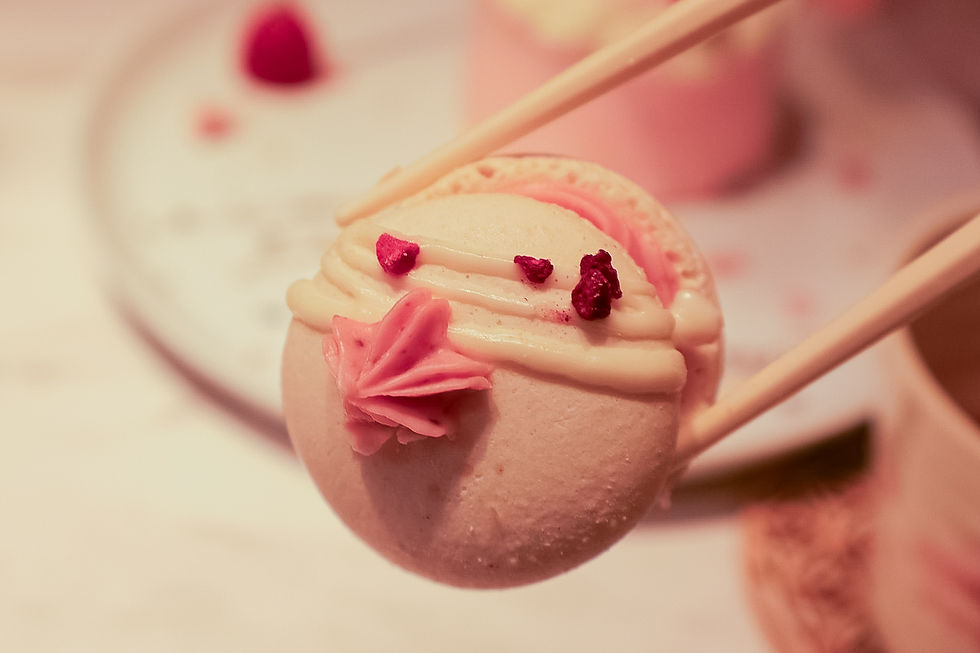
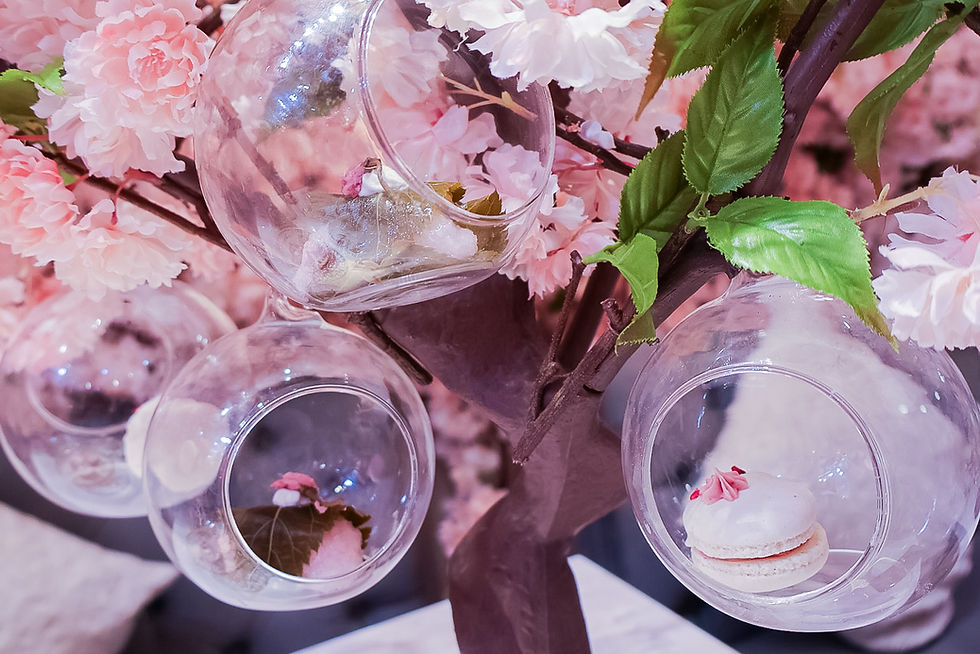
The cafe is famous for transforming its interior throughout the year. In spring, the room becomes a dreamlike sakura garden, with pink blossoms covering the ceiling and walls.

Large windows also overlook the Meguro River, one of Tokyo’s most famous cherry blossom viewing spots, making it a perfect location during sakura season.
The Sakura Afternoon Tea
Each spring, the cafe releases a limited-time Sakura Afternoon Tea, typically available from late February through April.
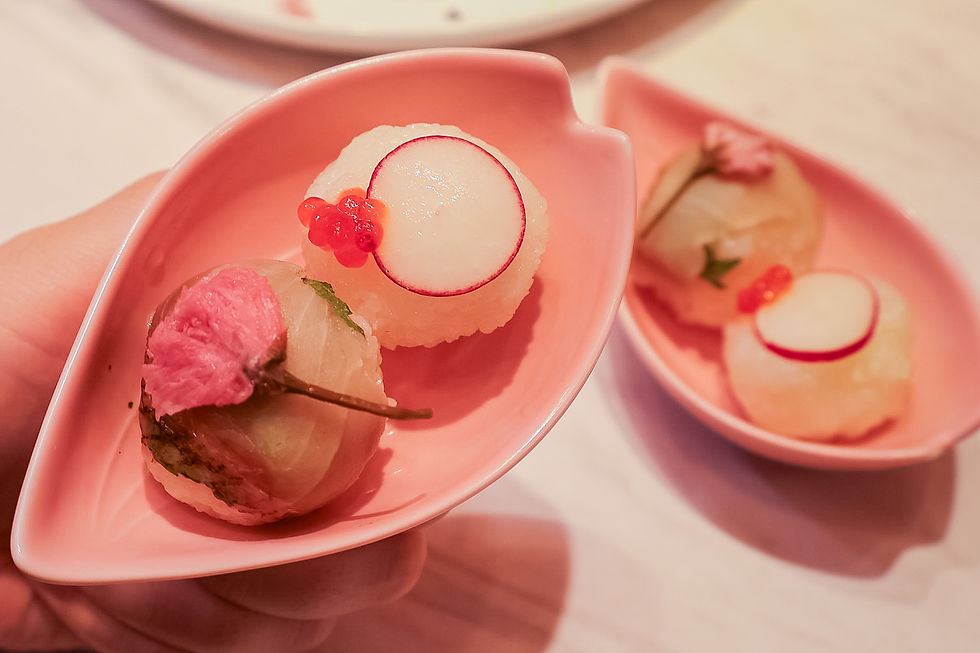
The menu features delicate desserts inspired by spring flavors, such as:
Sakura warabi mochi
Strawberry and sakura Mont Blanc
Strawberry butter sandwich cookies
Sakura and citrus jelly verrine
Sakura-inspired parfaits
The desserts often incorporate ingredients like strawberries, yogurt cream, sakura paste, and seasonal fruits to evoke the taste of spring.
The Cafe’s Unique Concept:
Unlike traditional afternoon tea rooms, Haute Couture focuses on immersive design and theatrical presentation.
Key features include:
Limited seating:
As the service is luxurious and personal, only about ten groups can dine at the same time. Providing a more relaxed and intimate setting, as everyone enjoys taking photos and indulging in a full table of sweet and savory bites.
Timed seating sessions:
Guests typically reserve specific time slots (such as 11:00–13:00 or 13:30–15:30), ensuring everyone has the same curated experience.

Table-side dessert preparation:
Some courses feature desserts like freshly prepared Mont Blanc assembled directly at the table or candles lit on personal mini cakes at your seat.
The result is a tea service that feels closer to a luxury event or themed installation than a traditional cafe visit.
Reservations: What You Need to Know
One of the most important things to understand about Japanese afternoon tea culture is that reservations are often essential.

At Haute Couture, reservations are required because the cafe prepares everything before you arrive, and dishes are served at specific times.
Typical Reservation Methods for Afternoon Tea:
Online booking platforms:
Many restaurants accept reservations through sites like Tabelog or restaurant booking services.
Official website reservations:
Some cafes allow direct booking through their websites.
Phone reservations:
Traditional restaurants may still accept reservations by phone.
Minimum Guest Requirements:
Some themed cafes require at least two people per reservation, particularly when the tea set is designed to be shared or served per person.
Community discussions among visitors often mention that reservations can be competitive, especially during sakura season, and it’s best to secure a slot early.

For Haute Couture, you can book the experience through their Instagram in English here. There are several locations around Tokyo, so make sure to check the others if you can’t find the date you want!
Do All Afternoon Tea Places Require Reservations?
Not always. It depends on the type of venue.
Luxury hotel afternoon tea:
Usually requires reservations.
Often sells out weeks in advance.
Popular themed cafes:
Strongly recommended to reserve in advance.
Seasonal themes increase demand.
Casual tea rooms
Walk-ins are sometimes possible.
Limited availability for full tea sets.
If you’re traveling in Japan and want a specific seasonal tea experience, booking ahead is almost always the safest option.

Tips for Exploring Afternoon Tea Culture in Japan:
If you want to dive deeper into Japan’s thriving afternoon tea scene, here are some helpful tips.
1. Follow the Seasons
Many tea sets only last one or two months, so timing matters. Strawberry season, sakura season, and autumn themes are especially popular.
2. Expect a Full Meal
Japanese afternoon tea portions can be surprisingly generous. Between sweets, savory bites, and tea refills, it often replaces lunch or dinner.
3. Plan for Time
Most reservations run about 90–120 minutes, allowing guests to enjoy the experience slowly.
4. Dress for the Occasion
Many visitors treat afternoon tea as a mini event, wearing elegant outfits or
coordinating colors with the theme.
5. Try Different Styles
Japan offers many interpretations of afternoon tea:
Classic British hotel tea
Dessert-focused cafe tea
Japanese-inspired tea with wagashi
Seasonal themed experiences
A Sweet Way to Experience Spring in Tokyo:
Cherry blossom season is already magical in Tokyo, but enjoying sakura desserts surrounded by pink blossoms adds another layer to the experience.

At Haute Couture, the cherry blossom afternoon tea captures everything people love about spring in Japan: beauty, seasonality, and the joy of sharing a special moment.
Whether you’re a dedicated afternoon tea enthusiast or simply looking for a unique seasonal activity, this whimsical cafe should be on your list when you think of what to do when visiting Tokyo in the spring.


