
Tokyo Yakiniku Guide: Shibuya, Shinjuku, and Ueno
Few dining experiences feel as distinctly Tokyo as gathering around a grill and cooking premium cuts of meat right at your table. The smell of charcoal, the sound of sizzling beef, and the ritual of grilling each bite exactly how you like it are all part of what makes yakiniku one of Japan’s most beloved meals.

For visitors planning a trip to Tokyo, yakiniku is often high on the food bucket list, and for good reason. While sushi and ramen tend to dominate travel guides, yakiniku offers a more interactive experience. It’s social, deeply satisfying, and showcases the quality of Japanese beef in a way few other meals can.

Tokyo is packed with yakiniku restaurants, from luxury wagyu counters to all-you-can-eat chains. But if you want to experience three standout spots in three of the city’s most iconic neighborhoods, these are excellent places to start.
Before diving into the recommendations, it helps to understand where yakiniku came from and why it became such an important part of Japanese food culture.
What Is Yakiniku?
Yakiniku means “grilled meat” in Japanese. It is a style of dining where guests cook small cuts of meat on a grill built into the table. Beef is the most popular choice, but many restaurants also serve pork, chicken, seafood, and vegetables.

The experience is hands-on and social. You grill the food yourself and eat it with dipping sauces, seasonings, and side dishes. Because everyone shares the grill, yakiniku is a popular meal for friends, families, and coworkers.
The History of Yakiniku in Japan:
Modern yakiniku developed during the twentieth century as beef consumption became more common in Japan. While grilled meats had long existed in various forms, the tabletop grilling style associated with yakiniku today emerged through the influence of Korean barbecue traditions introduced and popularized by Korean communities in Japan.

Following World War II, restaurants specializing in grilled meats became increasingly popular in major cities, including Tokyo and Osaka. Over time, Japanese chefs, restaurateurs, and diners adapted the style to local tastes, creating a distinct dining culture focused on premium beef, specialized cuts, and carefully crafted sauces.

Today, yakiniku occupies a unique place in Japanese food culture. It can be an affordable weeknight meal, an all-you-can-eat feast, or a luxury dining experience centered on top-grade wagyu. Regardless of price point, the appeal remains remarkably consistent: high-quality meat, cooked fresh at the table and enjoyed at your own pace.

For travelers exploring Tokyo, it is one of the most engaging ways to experience Japanese dining culture firsthand.
Stop 1: Shibuya – Takibiya
Shibuya is one of Tokyo’s busiest and most famous districts, known for its crowds, nightlife, shopping, and constant motion. Hidden among that energy is one of the area’s most popular yakiniku destinations: Takibiya.

The restaurant has built a reputation around dramatic presentations and generous cuts of beef. Its signature “Meat Himalaya” arrangement has become especially famous, towering in a display that immediately gets attention.
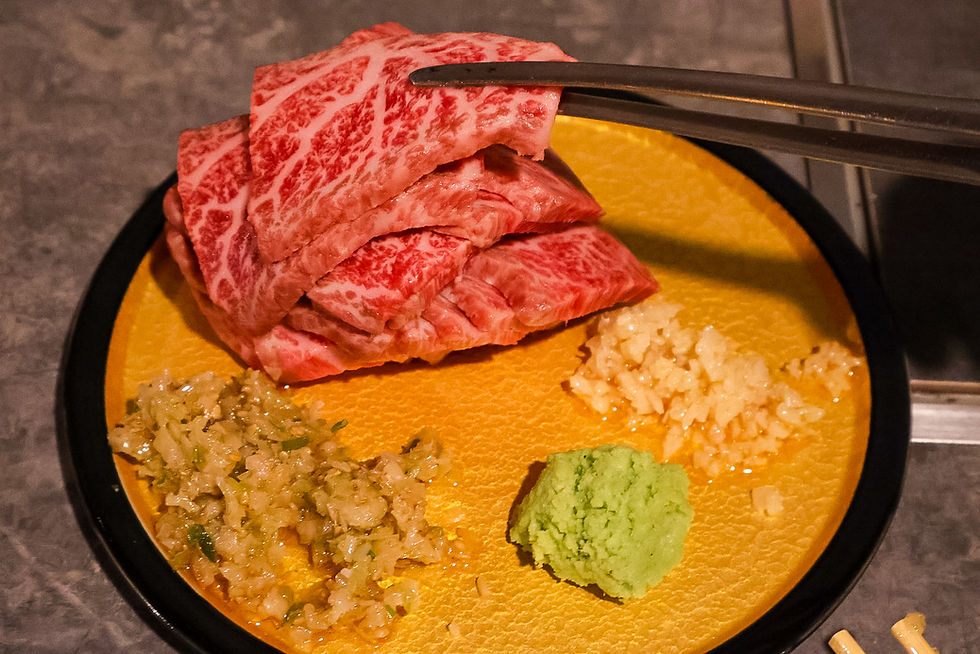
What makes Takibiya particularly appealing for travelers is that it manages to balance spectacle with quality. Plenty of restaurants create social-media-friendly dishes, but the beef here delivers beyond the visuals.
The atmosphere also fits perfectly with Shibuya itself. It feels modern, and very Tokyo without losing sight of what matters most: excellent meat on the grill.
For first-time visitors to Tokyo, Takibiya is an easy introduction to yakiniku culture. It offers the excitement many travelers are looking for while still delivering a genuinely satisfying meal.
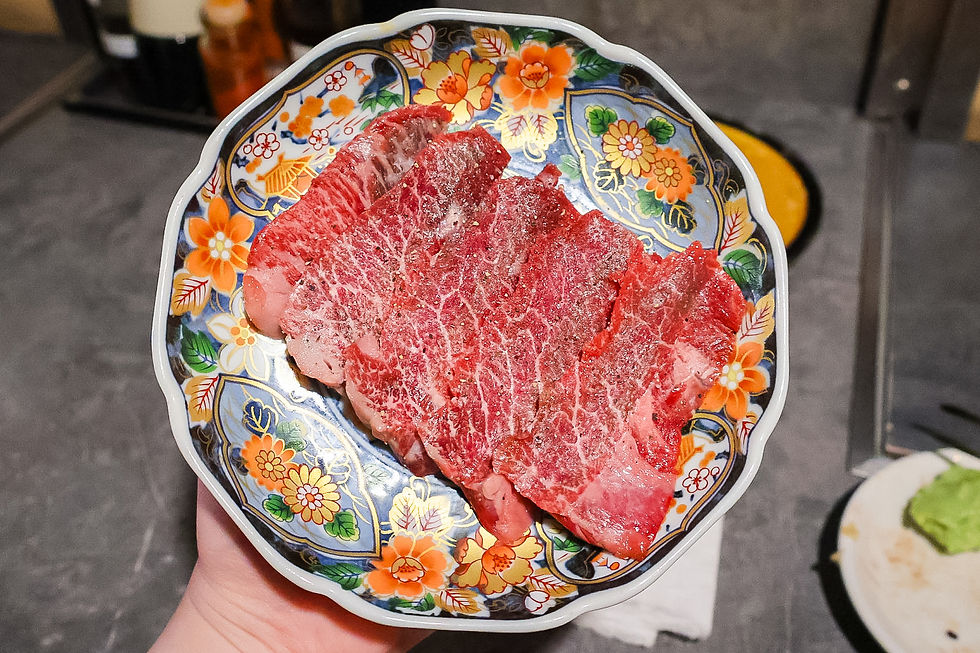
After spending a day navigating Shibuya Crossing, exploring department stores, or wandering through the surrounding streets, it feels like exactly the kind of dinner the neighborhood demands.
Stop 2: Shinjuku – Gyūnomaryoku
If Shibuya represents youthful energy, Shinjuku represents scale.
The district is larger and denser, filled with neon-lit streets, office towers, hidden alleys, and some of Tokyo’s best nightlife. It is also home to Gyūnomaryoku, one of the area’s standout yakiniku experiences.

Located in Kabukicho, the restaurant embraces the intensity of its surroundings while maintaining a strong focus on meat quality.
One of the things that makes Gyūnomaryoku memorable is its approach to rich, flavorful cuts. Rather than relying purely on luxury branding or extravagant pricing, the restaurant focuses on delivering deeply satisfying yakiniku that feels indulgent without becoming overly formal.

That balance makes it especially appealing for travelers who want a serious meat experience while still enjoying the casual, social side of yakiniku.
There is also something uniquely fitting about eating yakiniku in Shinjuku. The district stays alive long after most cities would have gone to sleep. After wandering through neon-covered streets and packed entertainment areas, sitting down in front of a hot grill feels like a natural continuation of the evening.

Among the countless dining options available in Shinjuku, Gyūnomaryoku stands out because it feels connected to the neighborhood’s personality: energetic, bold, and memorable.
Stop 3: Ueno – Yakiniku Kokokara Ueno Store
Every great Tokyo food tour should include Ueno.
Compared with the constant rush of Shibuya and Shinjuku, Ueno offers a slightly different atmosphere. The area blends museums, parks, local shopping streets, and old-school drinking districts into one of the city’s most interesting neighborhoods.
That setting makes it an ideal home for Yakiniku Kokokara.

The restaurant has earned a strong following for its hearty approach to yakiniku, particularly when it comes to larger cuts and richly flavored meats.
What stands out most is the sense of abundance. Meals here feel generous and satisfying in a way that perfectly matches Ueno’s approachable, down-to-earth character.

While some high-end yakiniku restaurants focus heavily on luxury presentation, Kokokara emphasizes enjoyment. The experience feels welcoming rather than intimidating, making it an excellent choice for visitors who want a memorable meal without excessive formality.
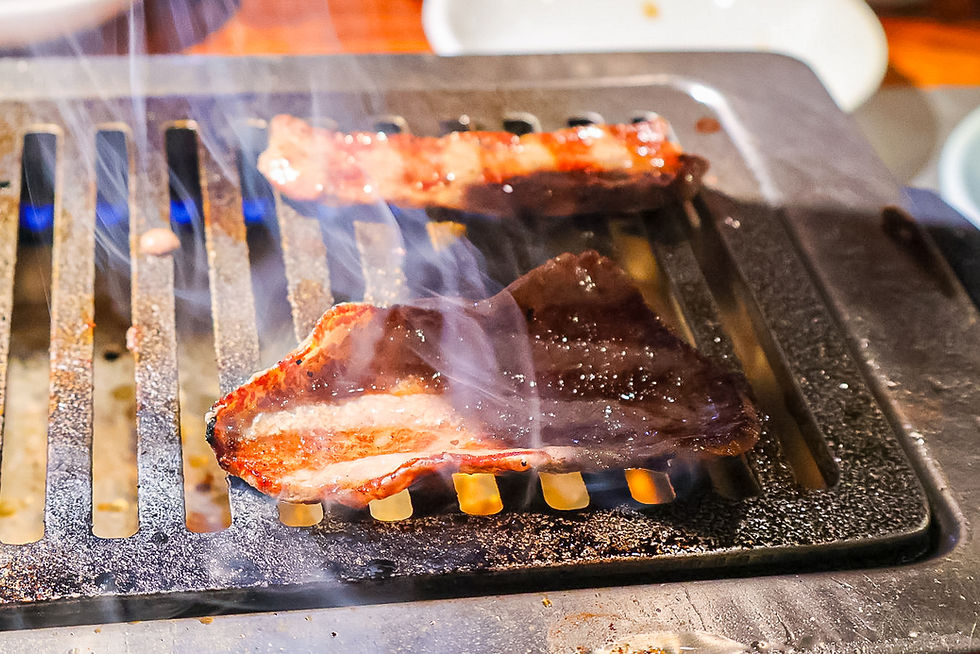
Its location also makes it easy to combine with a day exploring Ueno Park, Ameya-Yokocho Market, or the surrounding neighborhoods.
By evening, settling into a table and grilling beef alongside locals feels like a natural way to end the day.
Which One Should You Choose?
The good news is that there is no wrong answer.
Each restaurant reflects the personality of its neighborhood.
Takibiya captures the excitement and modern energy of Shibuya. Gyūnomaryoku delivers the bold atmosphere and nightlife spirit of Shinjuku. Yakiniku Kokokara offers the approachable, local character that makes Ueno such a rewarding area to explore.

Together, they form a perfect introduction to Tokyo’s yakiniku culture.
For travelers, yakiniku is more than simply eating grilled meat. It is an experience built around conversation, participation, and appreciation for quality ingredients. Every table becomes part kitchen and part dining room, creating a meal that feels interactive from beginning to end.

Tokyo offers thousands of restaurants, but these three destinations showcase why yakiniku continues to hold such an important place in the city’s food scene. Whether you find yourself in Shibuya, Shinjuku, or Ueno, a great grill and an unforgettable meal is never far away.


