How to Eat Yakitori in Japan Like a Local (The Complete Guide)
Makayla M.
•
Nov 21, 2025
•
4
min read
Yakitori is one of those foods that seems simple until you actually sit down in a real yakitori shop in Japan. Smoke fills the air, skewers sizzle over charcoal, glasses clink, and the pace of the meal feels completely different from what many visitors expect.

If you want to know how to eat yakitori in Japan the right way, the first thing to understand is what yakitori actually is — and what it is not. It is not fast food, and it is not fancy food either. It lives somewhere comfortably in between, and learning how to enjoy it like a local makes the experience far more rewarding.
What is Yakitori? | How It Became Everyday Food
Yakitori literally means grilled chicken. Small pieces of chicken are skewered on bamboo sticks and cooked over charcoal, usually seasoned with either salt or a sweet soy-based sauce called tare. What surprises many people is how many different parts of the chicken are used. Thigh, breast, skin, liver, heart, gizzard, cartilage, and even tail meat all appear regularly on menus.

Historically, this nose-to-tail approach was not just about flavor, but necessity. For centuries, meat consumption in Japan was limited due to Buddhist influence, especially during the Edo period. Fish was the primary source of protein, and meat was eaten sparingly. That began to change during the Meiji era in the late 1800s, when Japan opened to the West and meat eating became associated with modernization.

Yakitori as we know it today truly took shape after World War II. Cities were rebuilding, food was scarce, and people needed affordable, filling meals.
Street stalls began grilling small pieces of chicken over charcoal, using every part of the bird and selling skewers cheaply. These stalls became gathering places for workers looking to eat, drink, and unwind. Over time, they evolved into permanent shops and izakayas, but the spirit stayed the same. Yakitori remained casual, social, and deeply tied to everyday life.

Today, yakitori is still most commonly eaten after work. It is comfort food for tired office workers, a reason to meet friends, and a reliable option for solo diners who want something warm and familiar.
How to Find the Best Yakitori Restaurants in Japan
Some of the best yakitori restaurants in Japan are easy to walk past without noticing. In fact, flashy signs and big menus are often not what you want to look for.

Good yakitori shops are usually small. Many have counter seating facing the grill so the chef can focus on timing and temperature. If you smell charcoal smoke drifting into the street, that is usually a good sign. Yakitori relies heavily on charcoal, especially binchotan, which burns hot and clean and gives the chicken its signature aroma.

Pay attention to who is eating there. A shop filled with office workers on a weekday evening is almost always worth trying.

These places survive on regulars, not tourists, and consistency matters. Reservations are more common than visitors expect. Even casual yakitori shops often require them, especially in busy areas. If you have a specific place in mind, booking ahead can save you a lot of wandering.
What Is an Otoshi?
Some yakitori restaurants serve an otoshi — a small appetizer that acts as a table charge — while others do not. Both styles are normal. When served, otoshi is usually simple, such as vegetables, tofu, or pickles.

It is often eaten with your first drink and alongside early skewers, not necessarily before the yakitori arrives. At more yakitori-focused shops, the otoshi may stay on the table as a light side dish throughout the meal. If there is no otoshi, the experience tends to move more quickly, with full focus on the skewers and drinks.
What to Drink With Yakitori
Drinks are a huge part of the yakitori experience. Highballs — made with whisky and soda — are extremely popular. They are refreshing, light, and cut through fatty or smoky skewers beautifully.

Beer is another classic choice, especially at the beginning of the meal. Many people start with beer and then switch to something lighter. Sake pairs particularly well with salt-seasoned yakitori, enhancing the natural flavor of the chicken without overpowering it.

Sours, usually made with shochu and citrus like lemon or grapefruit, are common for longer or later meals. They are easy to drink and popular at late-night spots.
Join our Shinjuku Izakaya Tour and spend the evening visiting three distinct izakayas in Tokyo's most energetic nightlife district.
How to Eat Yakitori in Japan: What you Need to Know
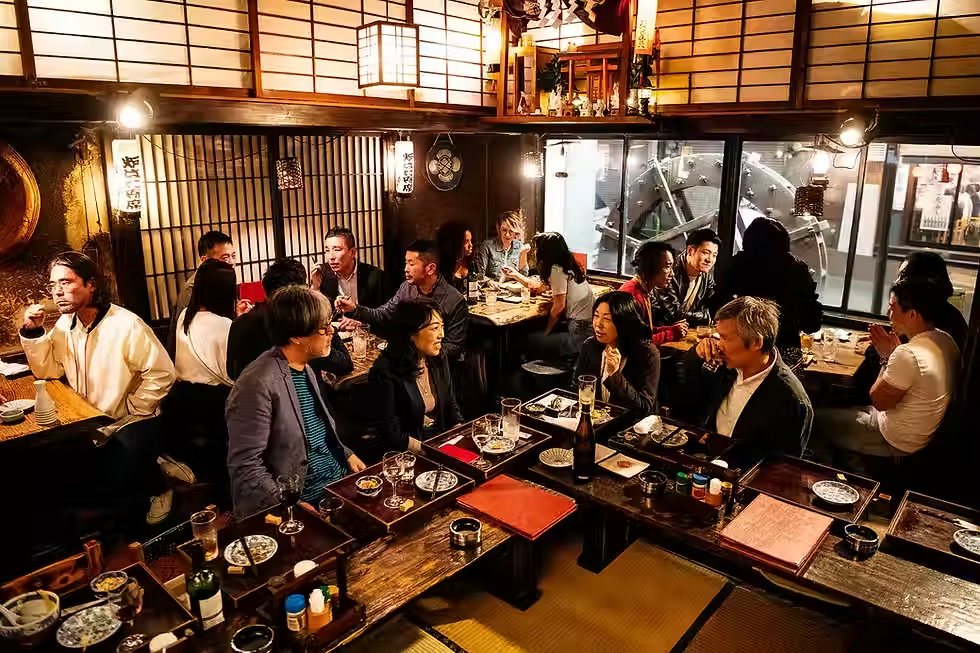
Understanding yakitori etiquette in Japan is key to feeling comfortable and fitting in at any shop. Yakitori restaurants are casual, but they are also intimate. Space is often tight, especially at the counter. Keep bags tucked under your seat and avoid spreading personal items across the table.

Conversation is welcome, but loud phone calls or shouting across the room are frowned upon. Many people enjoy quietly watching the chef grill, appreciating the rhythm of the work. If you are seated at the counter, you are part of the atmosphere. Being mindful of the space helps keep the mood comfortable for everyone.

One fun bonus: check your chopstick holder for your fortune!
Enjoying Yakitori Like a Local
More than anything, yakitori is about slowing down. It is food that fits into the rhythm of daily life, eaten at the end of long days or in the middle of lively nights. To enjoy yakitori like a local, do not overthink it. Order in stages.

Eat slowly. Drink between skewers. Pay attention to the smoke, the sounds of the grill, and the people around you. Yakitori is not just something you eat in Japan. It is something you settle into. And once you do, it becomes one of the most comforting and memorable ways to experience the country.